Examining the Mechanics of Time-Bound Offers in Mobile Entertainment Platforms
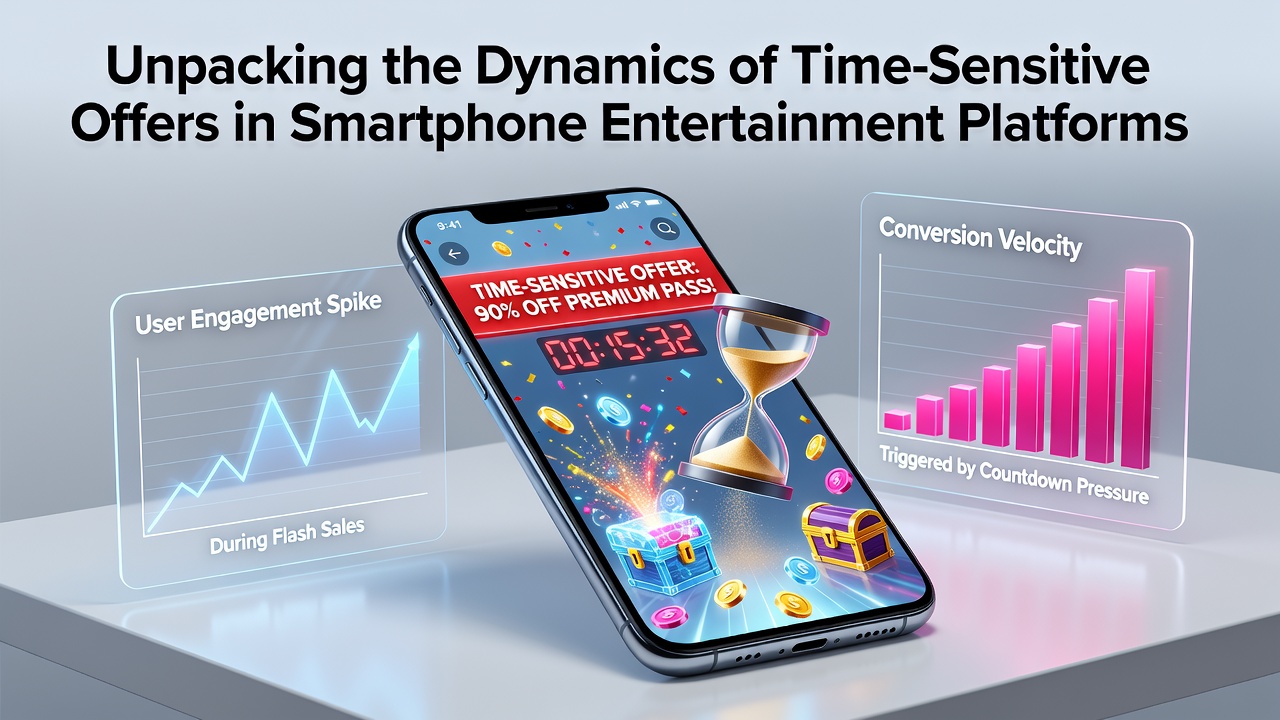
Time-bound offers appear across smartphone entertainment platforms as structured incentives that activate for fixed durations, and developers deploy these mechanics to influence user retention patterns while data from various industry reports tracks their measurable effects on session lengths and spending behaviors.
Core Components of These Limited Promotions
Platforms integrate countdown timers, personalized push notifications, and tiered reward structures that expire after set intervals, whereas users encounter offers tied to daily logins, event milestones, or seasonal campaigns that reset at midnight in specific time zones. Research from mobile analytics firms shows these elements combine to create urgency without requiring constant platform access, and observers note that integration with in-app currencies allows seamless redemption before deadlines pass.
Designers often layer multiple offer types within single sessions, so a user might receive both a resource boost and a multiplier that both vanish after four hours, yet the system logs completion rates to refine future targeting algorithms based on aggregate patterns rather than individual preferences.
Behavioral Responses Documented in User Data
Studies conducted by academic researchers at institutions such as the University of Melbourne reveal that participants exposed to time-sensitive mechanics demonstrate higher return rates within the first 24 hours compared to control groups without such prompts, although completion percentages vary by offer complexity and reward value. Figures from these investigations indicate average session extensions of 12 to 18 minutes when timers display prominently on home screens.
Engagement metrics collected across regions demonstrate that younger demographics respond more readily to social sharing components attached to expiring deals, while older cohorts prioritize clear value statements in the offer descriptions themselves. Data indicates regional differences emerge as well, with Asia-Pacific markets showing elevated interaction during evening hours aligned with commute patterns.

Platform Implementation Strategies Observed in 2026
During August 2026, several major entertainment app providers adjusted their offer cadences to coincide with global sporting events and content releases, creating synchronized windows that overlapped across multiple titles owned by the same parent companies. This coordination allows cross-promotion without violating platform store guidelines that limit frequency of interstitial displays.
Engineers optimize server-side delivery so offers reach active users first, and A/B testing frameworks deployed by development teams compare conversion rates between static banners and animated countdown visuals. Results compiled by groups such as the Interactive Advertising Bureau highlight that animated variants generate 23 percent higher claim rates in tested markets across North America and Europe.
Regulatory and Technical Considerations
Authorities in jurisdictions like Australia and Canada require clear disclosure of expiration terms within offer interfaces, which forces developers to embed explanatory text alongside timers rather than relying solely on visual cues. Compliance teams review these elements before each major update cycle, and automated tools flag potential violations during quality assurance phases.
Technical infrastructure must handle peak loads when popular offers activate simultaneously, so platforms maintain redundant systems that prevent timer desynchronization across devices. Reports from telecommunications regulators note that latency issues during high-traffic periods can reduce effective offer windows by several minutes, prompting investments in edge computing solutions.
Future Trajectories Based on Current Trends
Analysts project continued refinement through machine learning models that predict optimal offer timing per user cohort, drawing from historical interaction logs rather than demographic assumptions alone. Integration with wearable devices expands notification reach, allowing reminders to appear on connected watches minutes before expiration.
Cross-platform ecosystems now synchronize offers between smartphone and tablet versions of the same app, ensuring continuity when users switch devices mid-session, while backend systems reconcile progress across both endpoints without resetting timers.
Conclusion
Time-sensitive offers continue to evolve as core engagement tools within smartphone entertainment platforms, supported by measurable data on user responses and technical capabilities that enable precise delivery. Ongoing adjustments reflect both regulatory requirements and performance analytics gathered from diverse global markets, shaping how these mechanics function in coming cycles.