Cross-Border Regulatory Dynamics Altering Bonus Frameworks in European Mobile Gaming Markets
European mobile gaming operators face mounting pressure from overlapping regulatory frameworks that span multiple jurisdictions, and these pressures directly influence how bonus structures get designed, offered, and maintained across borders. Data from industry reports indicate that variations in national implementations of EU directives create inconsistent requirements for welcome bonuses, deposit matches, and free spin promotions, forcing platforms to segment offerings by user location rather than apply uniform campaigns continent-wide.
Germany's Interstate Treaty on Gambling, updated in recent years, caps bonus values and imposes strict wagering conditions that differ sharply from Malta's more flexible licensing regime, while the Netherlands' Kansspelautoriteit enforces separate transparency rules on promotional mechanics. Observers note that these divergences require operators to maintain distinct bonus engines for each market, and compliance teams often spend considerable resources mapping each regulation's impact on player acquisition costs.
Key Regulatory Mechanisms Driving Change
Cross-border data protection rules under GDPR intersect with gambling-specific consumer safeguards, which means bonus terms must now include clearer disclosures on data usage tied to promotional tracking. Figures from regulatory filings reveal that several operators adjusted their bonus expiry periods in 2025 to align with stricter interpretation of fairness clauses across multiple member states. And in August 2026, scheduled reviews of the EU's Consumer Rights Directive are expected to introduce further harmonization efforts around digital promotions, including mobile gaming incentives.
Impact on Wagering Requirements and Player Eligibility
Studies conducted by academic research groups show that operators increasingly tie bonus eligibility to verified residency rather than simple IP checks, because national authorities demand proof that promotions comply with local stake limits and age verification standards. This shift reduces the feasibility of pan-European bonus campaigns and pushes companies toward localized reward systems that account for currency fluctuations and tax treatments unique to each territory. Those who've analyzed compliance data find that average wagering multipliers have risen in stricter markets while remaining lower in jurisdictions with lighter oversight.
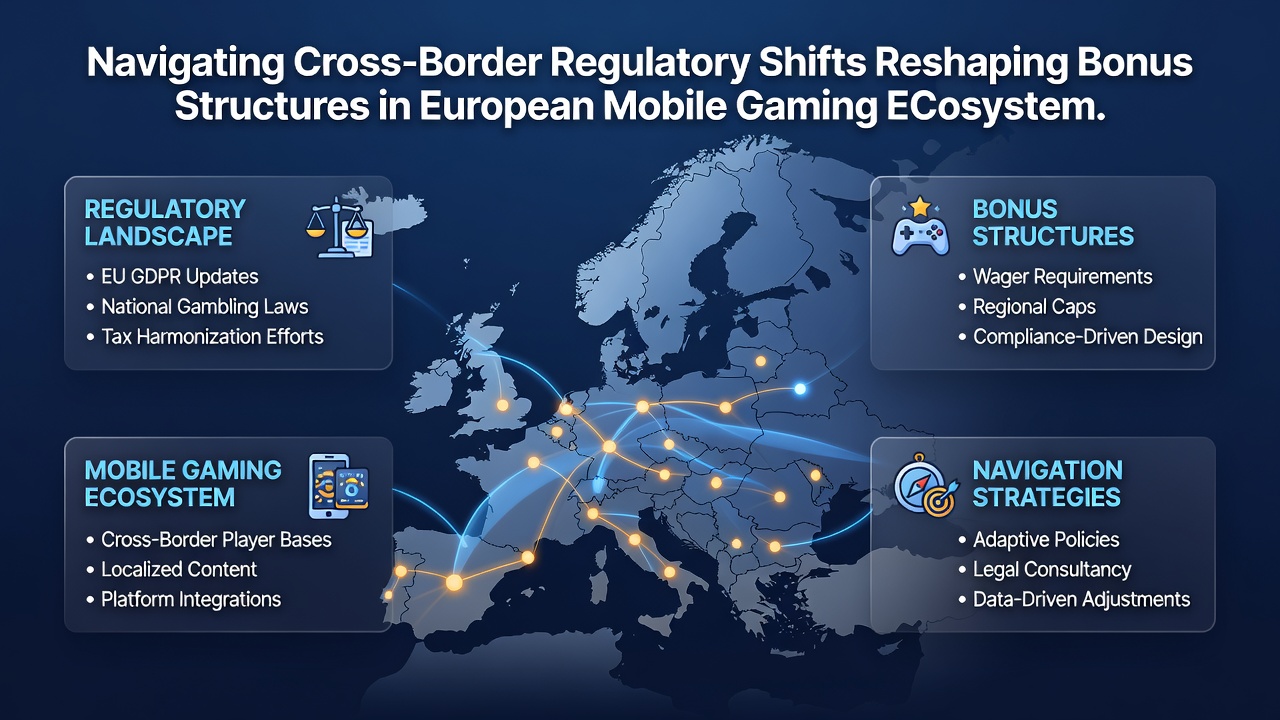
What's interesting is how these regulatory layers affect live dealer and slot bonus integrations specifically, since mobile platforms must deliver real-time adjustments based on user location without disrupting gameplay flow. Research indicates that platforms using geo-fenced bonus engines report fewer regulatory inquiries, yet they also encounter higher development expenses compared to earlier unified systems.
Industry Adaptation Patterns
Trade associations representing gaming technology providers report that companies now embed regulatory intelligence tools directly into their bonus management software, allowing automatic updates when national rules change. According to analyses from European gaming research institutions, this approach cuts manual review time by substantial margins while ensuring offers remain valid across borders. Operators have also begun publishing region-specific bonus calculators within apps to meet transparency demands from multiple watchdogs simultaneously.
Take one case where experts tracked a major platform's response to simultaneous updates in Belgium and Sweden: the firm recalibrated its deposit match percentages and introduced market-specific loyalty tiers rather than maintaining a single continent-wide program. Data shows such targeted adjustments preserved player retention rates even as overall bonus spend decreased in higher-regulation zones.
Future Outlook for Mobile Ecosystems
Academic papers examining ongoing EU-level discussions suggest that further attempts at regulatory convergence could standardize certain bonus disclosure formats by 2027, though full uniformity remains unlikely given persistent national differences in taxation and consumer protection priorities. Industry organizations continue to advocate for clearer guidelines that would reduce the compliance burden on smaller developers entering multiple markets at once.
Conclusion
Cross-border regulatory shifts continue to fragment bonus structures throughout Europe's mobile gaming sector, compelling operators to adopt sophisticated localization strategies backed by updated technology and detailed legal mapping. Evidence from filings and market analyses demonstrates that success increasingly depends on the ability to deliver compliant, region-specific promotions without sacrificing operational efficiency across the broader ecosystem.