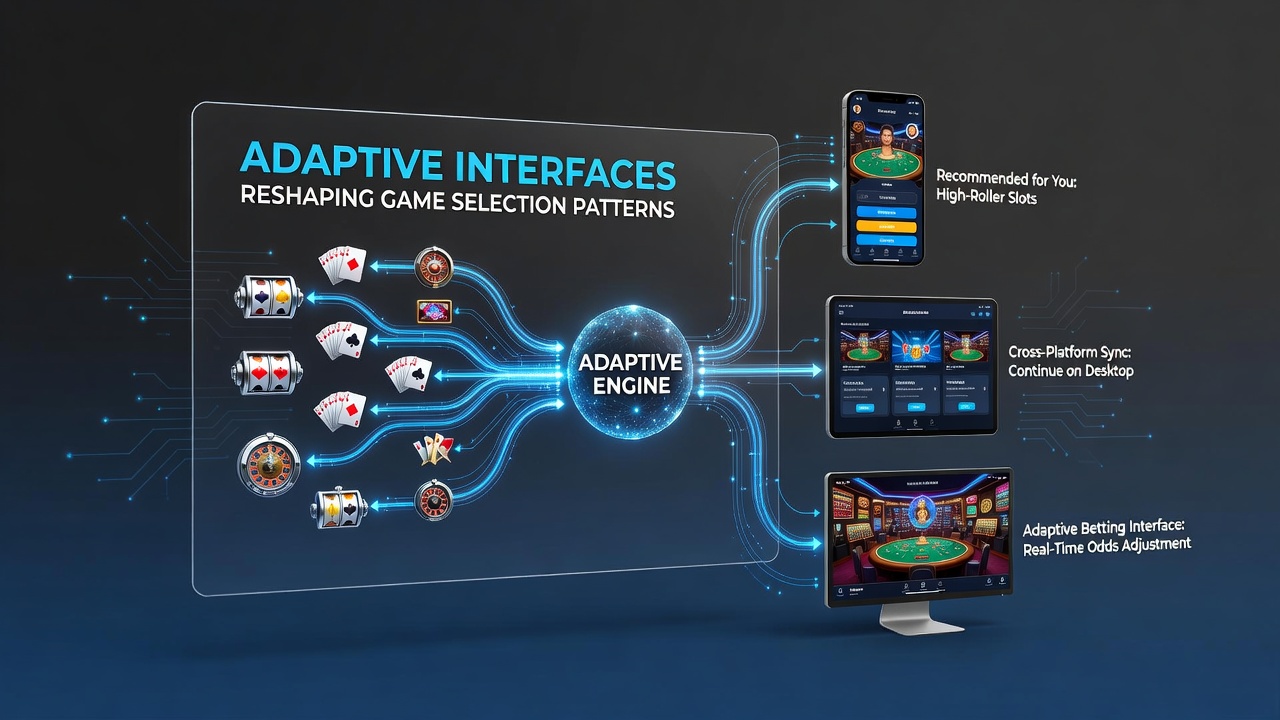
Adaptive Interfaces Drive Shifts in Game Preferences Within Cross-Device Casino Platforms
Adaptive interfaces adjust layouts, content recommendations, and navigation elements based on device type, screen size, user behavior patterns, and session context, and these systems have begun altering how players browse and select games in casino environments that span phones, tablets, and desktops. Data from industry monitoring shows that players using multiple devices during a single session often encounter tailored game suggestions that differ from those presented on a single device, which leads to measurable changes in selection frequency across categories like slots, table games, and live dealer options.
Core Mechanisms Behind Device-Responsive Casino Interfaces
Developers implement machine learning models that track interaction metrics such as tap frequency, scroll depth, and time spent on game thumbnails, then apply those insights to reorder or highlight titles in real time. When a player switches from a mobile app to a desktop browser, the system recognizes the larger display and expands thumbnail grids while prioritizing titles that performed well in similar cross-device transitions, according to technical documentation shared by platform providers. This process relies on cloud-synced user profiles that maintain continuity without requiring manual logins on each device, which streamlines the experience and reduces friction during device handoffs.
Research conducted by academic teams at the University of Nevada, Las Vegas indicates that adaptive algorithms can increase engagement with secondary game categories by up to 18 percent when recommendations update based on device context. The same studies note that players on tablets receive more prominent displays of strategy-based games like blackjack variants, whereas smartphone interfaces emphasize quick-spin slots that align with shorter attention windows observed in mobile sessions.
Observed Changes in Game Selection Patterns
Analytics platforms tracking cross-device behavior report that selection patterns diverge notably once interfaces begin personalizing content. Players who start sessions on smartphones show higher initial picks of high-volatility slots, yet the same users often pivot toward lower-volatility table games when the interface adapts on a tablet or desktop later in the session. These shifts occur because the system surfaces performance data and historical win rates that match the current device's interaction style, which encourages exploration beyond initial preferences.
Figures released in August 2026 by the American Gaming Association highlight a 22 percent rise in cross-device play sessions among operators using adaptive recommendation engines, with corresponding increases in selections from the live dealer category on larger screens. Observers note that the transition between devices prompts the interface to recalibrate suggestions using location data and time-of-day patterns, which further diversifies choices away from repeat selections of familiar titles.
Regional Data and Industry Benchmarks
Operators in regulated markets outside the UK have documented similar trends. Reports from the Interactive Games and Entertainment Association in Australia show that adaptive features correlate with a 15 percent uptick in game variety per session when users move between phone and desktop platforms. teh data reveals that players exposed to device-specific prompts explore an average of 3.4 additional titles per hour compared with static interfaces, particularly in markets where mobile penetration exceeds 70 percent of total play volume.
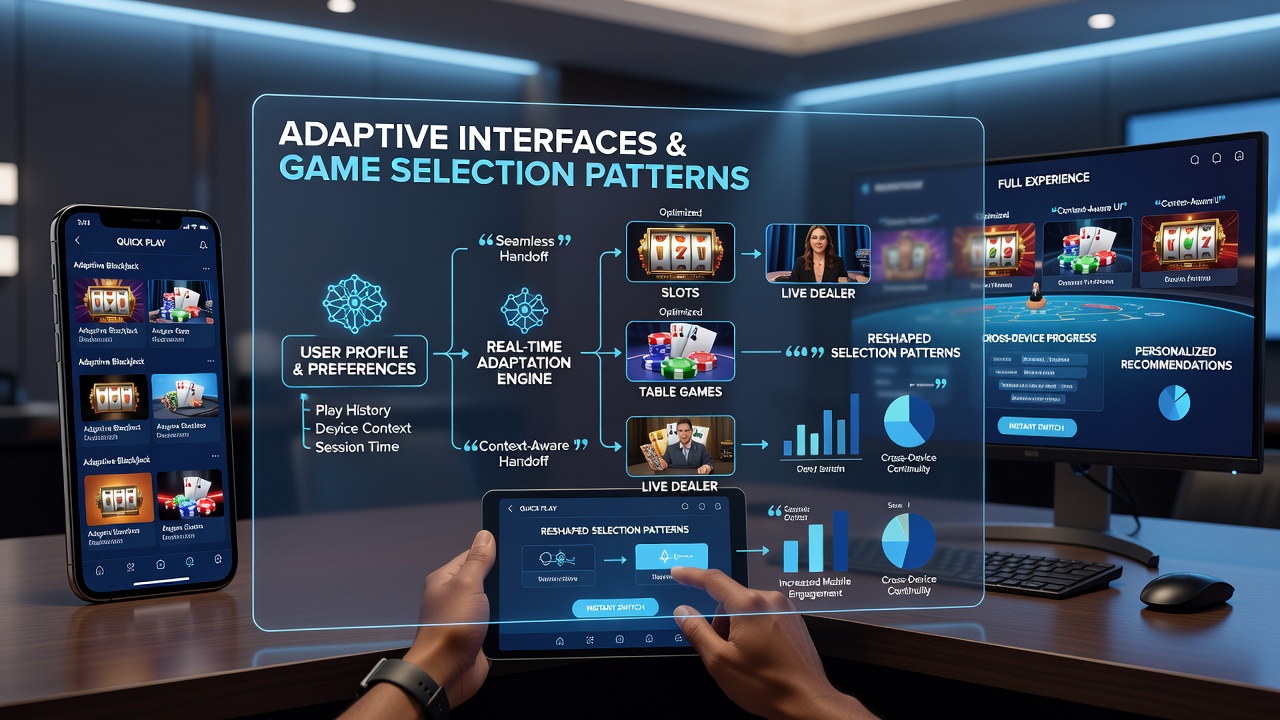
Technical audits performed by third-party labs confirm that these interfaces maintain consistent game libraries while altering presentation order and visual hierarchy. This approach avoids content duplication yet directs attention toward titles that match observed device usage patterns, such as longer session durations on tablets favoring progressive jackpot slots with detailed paytable views.
Technical Implementation Across Platforms
Platform teams integrate responsive design frameworks with backend analytics that update player models every few minutes during active sessions. When connection quality drops on mobile networks, the interface automatically prioritizes lighter-loading games and reduces animation complexity, which indirectly steers selections toward simpler slot mechanics over resource-intensive live streams. Desktop versions, by contrast, expand filter options and allow simultaneous comparison of multiple game metrics, leading players to favor titles with transparent RTP displays and bonus round previews.
Case examples from North American operators demonstrate that A/B testing of adaptive versus static layouts produced statistically significant differences in category distribution. Mobile-first players selected live roulette 12 percent more often after the interface began highlighting it during tablet sessions, while desktop users showed increased picks of video poker variants once the system aligned recommendations with keyboard and mouse interaction data.
Future Trajectory and Measurement Standards
Industry groups continue to refine metrics that quantify how adaptive systems influence long-term selection behavior. Longitudinal tracking initiated in early 2025 and continuing through August 2026 shows sustained growth in cross-device continuity, with average game libraries explored per player rising from 8.2 to 11.7 titles monthly among those using synchronized accounts. These measurements rely on anonymized session logs that capture device switches without storing personal identifiers, which supports compliance across multiple jurisdictions.
Engineers refine models by incorporating seasonal factors such as holiday traffic spikes and regional event calendars, which further modulates the game suggestions presented during device transitions. The result appears in aggregated dashboards that operators use to balance promotional placements across all form factors rather than optimizing for a single device type.
Conclusion
Adaptive interfaces continue to modify selection dynamics by aligning recommendations with device capabilities and observed user flows. Data collected through August 2026 demonstrates consistent patterns of increased variety and category shifts when players move between platforms, supported by technical frameworks that maintain profile continuity and context awareness. These developments rest on measurable analytics rather than assumptions, and they establish a foundation for ongoing refinement in cross-device casino environments.